When to schedule your South Florida roof replacement
Late fall through early spring usually offers a better window for roof replacement in South Florida. We explain how to work backward from your preferred start, with room for permits, materials, inspections, and weather.
 PSR Roofing Company · · 4 min read
Aim for the drier months, with room for weather
For a planned roof replacement in South Florida, late fall through winter and into early spring is usually the best window. The seasonal pattern generally brings fewer afternoon downpours than summer, giving crews more opportunities to remove old roofing and install the new system in suitable conditions.
That does not make every winter day a roofing day. Passing fronts can bring rain and strong winds. A wetter winter can interrupt work, too. We schedule around the actual forecast and roof conditions, not just the season printed on a calendar.
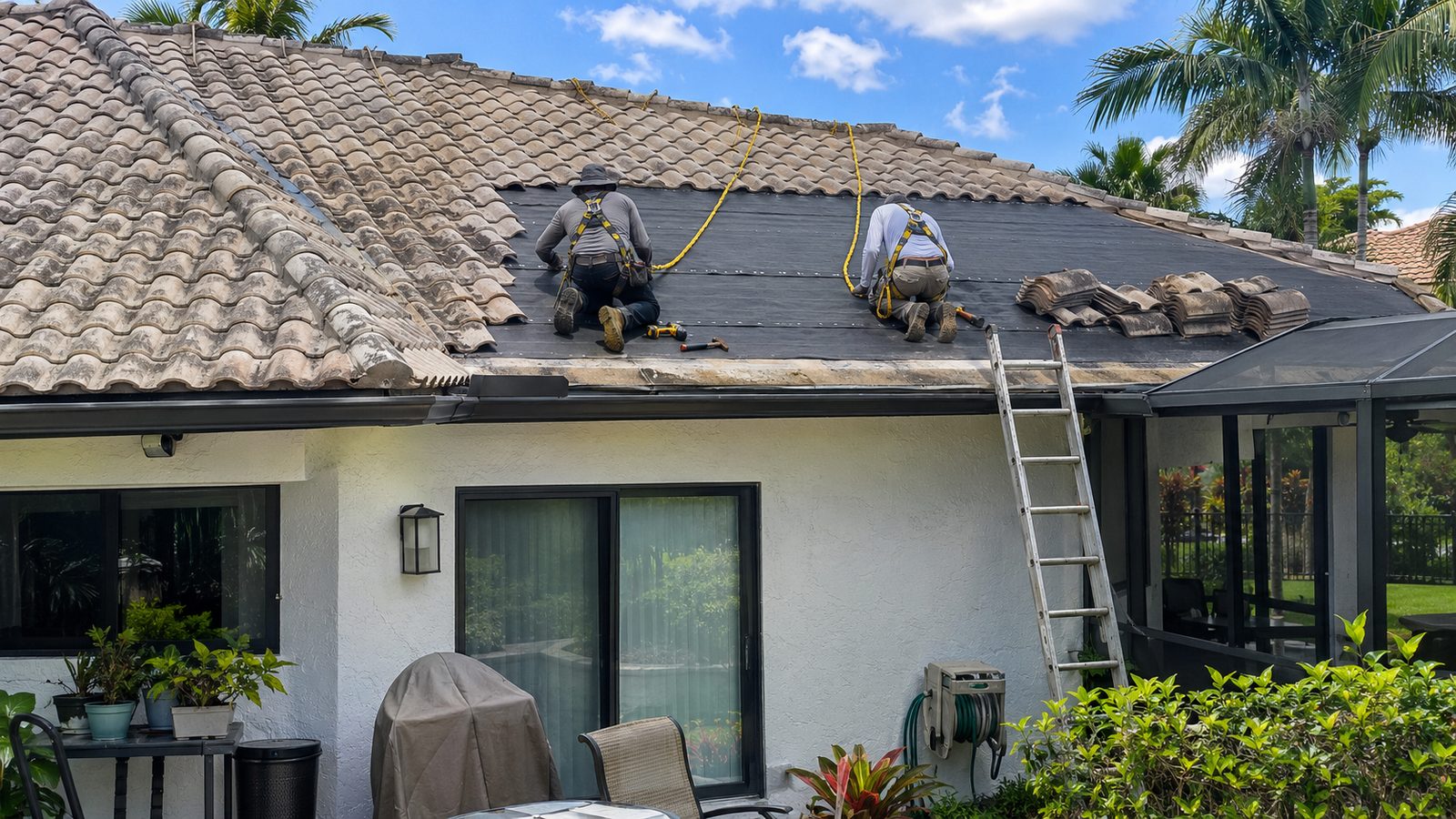
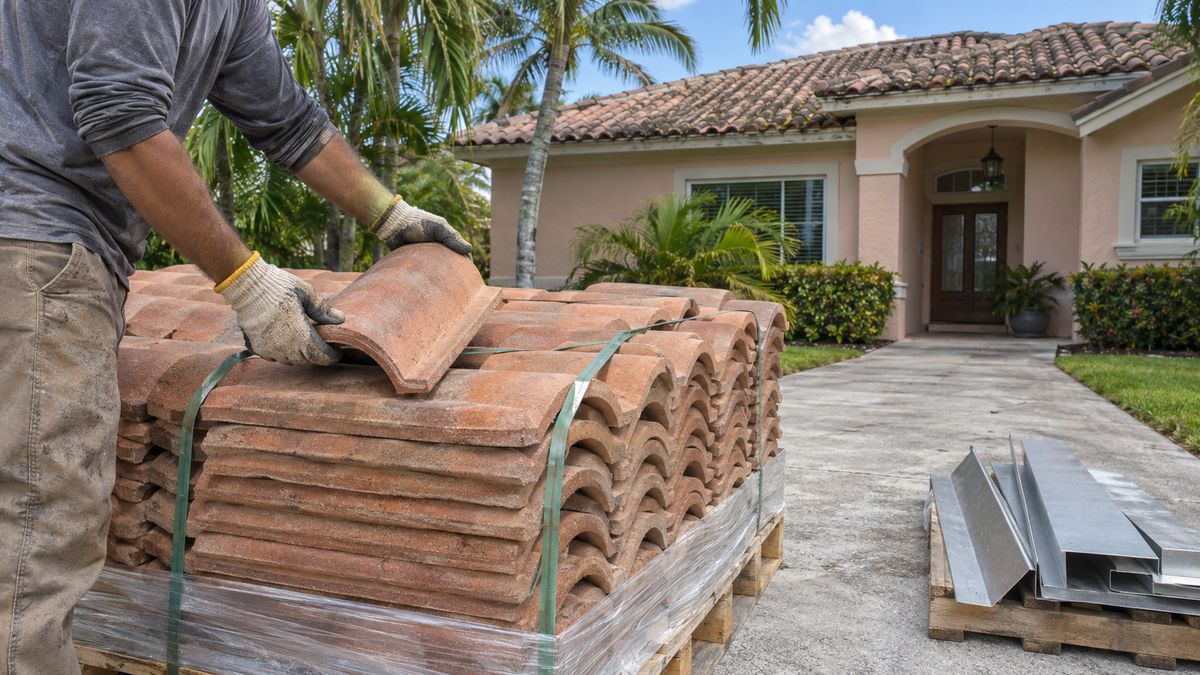
We often see why that distinction matters on tile roofs. The visible tile may look serviceable while the underlayment beneath it has deteriorated. Once removal begins, protecting the exposed roof deck becomes a daily priority. A favorable weather window helps us sequence that work, but temporary protection still needs to be part of the plan.
If your roof is stable enough to plan ahead, use the drier season as a target. If it is leaking or has loose roofing, start with an inspection instead of waiting for ideal weather.
Start planning before you want crews on the roof
Your preferred installation window and the date you begin planning should be different. A roof replacement involves decisions and paperwork before anyone removes the existing covering. Waiting until your preferred season arrives can leave you working around permit review, product availability, and an already committed crew schedule.
We begin with the existing roof, including its covering, visible condition, drainage, access, and signs of previous repairs. Inspection photos help explain what we can see and what may remain concealed until removal. Damaged decking discovered during tear-off can add work and affect the schedule.
Choose the replacement system early enough to confirm its requirements. Concrete or clay tile, standing seam metal, architectural shingles, and flat roofing systems do not follow identical ordering or installation schedules. A change in material after paperwork is prepared may require revised documents and a new delivery plan.
Before choosing a target window, tell us about anything that limits access:
- Association approval or roof color requirements.
- Travel plans and periods when the property is unoccupied.
- Shared driveways, parking restrictions, or limited delivery space.
- Tenant access and business hours at occupied buildings.
For condo and HOA boards, settle who can approve selections and communicate with residents before installation is penciled in. An unresolved roof color or delivery location can hold up an otherwise ready project.
Leave space for permit review and inspections
Permit preparation is part of the roofing schedule, not an administrative task to squeeze in afterward. We pull the permit and coordinate the required inspections. The application needs to match the proposed roof system and the property, with the supporting documents required by the local building department.
Review timing varies by location and by the details of the project. A request for clarification or corrected paperwork can move the anticipated start. Ask your building department about local requirements, and ask your association about its separate approval process. Association approval does not replace a roofing permit.
We plan required inspection checkpoints into the work. Depending on the project, an inspection may need to happen before a roof component is covered. Treating inspection availability as part of production helps avoid a schedule built around uninterrupted installation that the project cannot actually follow.
When comparing proposed schedules, ask what each date means. Is it the expected permit approval, material delivery, tear-off, or final inspection? Those are separate milestones. For help evaluating the contractor behind that schedule, read why roofing experience matters in South Florida.
Confirm materials before committing to tear-off
A material selection is not the same as a confirmed delivery. Tile profile and color, metal panel fabrication, trim, flashing, and other roof components can affect when the job is ready. Ask whether the proposed schedule reflects checked availability or an allowance that still needs confirmation.
We also look beyond the main roof covering. Having tile or panels available does not resolve a missing flashing detail or an unavailable compatible component. The roof needs a coordinated system, and substitutions may affect documents, appearance, and installation requirements.
Before tear-off, we confirm the materials needed for the planned work, delivery arrangements, permit status, and a suitable forecast. We also plan how much roof to open and how to protect it if conditions change. Removing roofing simply because a crew is available is not a sound scheduling decision.
Leave breathing room between expected completion and a closing, tenant move, or other firm deadline. Weather, concealed deck damage, and inspection timing can all affect completion. Ask for updates tied to those actual milestones rather than treating an early target as a fixed finish date.
Plan around hurricane season without postponing needed work
Hurricane season runs from June 1 to November 30. If your goal is to replace the roof before the next season, begin the inspection, selection, and permit process well ahead of summer. A last-minute request leaves less room to resolve paperwork or material delays.
Replacement can still take place during hurricane season when conditions allow. The important questions concern the forecast, daily roof protection, material storage, and how work changes if tropical weather approaches. We monitor conditions and adjust the work sequence when needed. A seasonal target never replaces a job-specific weather decision.
If you already have an active leak, do not leave it unattended while waiting for winter. We can inspect the roof, document what we find, and discuss whether an interim repair is appropriate while replacement is arranged. Our roof repair and leak services address that immediate need separately from the replacement calendar.
The practical next step is to establish the roof's condition, then choose a realistic installation window. We serve Miami-Dade, Broward, Palm Beach, Collier, and Lee counties, where local review requirements and property access can differ. Your schedule should reflect your building, selected materials, and current conditions.
Request a free roof inspection or call (866) 601-1260 to start planning your replacement.
Written by PSR Roofing CompanyLicensed and insured roofers serving Miami-Dade, Broward, Palm Beach, Collier and Lee counties. 1811 NE 142nd St, Miami.